Repair or Replace? A Homeowner's Honest Guide to Aging Septic System Decisions
Few decisions in home ownership carry the financial and environmental weight of determining whether a failing septic system deserves another chance or whether the time has come for a full replacement. The wrong choice in either direction carries significant consequences—unnecessary expenditure on a system already past its useful life, or premature abandonment of infrastructure that could serve reliably for another decade with targeted intervention.
At AccuAA Septic, we believe homeowners deserve the information necessary to approach this decision with clear expectations rather than contractor-driven urgency. What follows is a structured examination of the factors that genuinely determine which path makes sense.
Recognizing the Signals That Demand Attention
Septic systems rarely fail without warning. Long before a complete breakdown occurs, a system in decline communicates its condition through a recognizable set of symptoms. Slow-draining fixtures throughout the home—particularly when multiple drains are affected simultaneously—suggest that the drain field or tank is compromised beyond normal operational stress. Persistent wet patches or unusually lush vegetation over the drain field indicate that effluent is surfacing rather than percolating through the soil as designed.
Foul odors near the tank or leach field, sewage backups into the home, and discolored or foul-smelling water near the property boundary are each serious indicators that warrant immediate professional evaluation. Importantly, none of these symptoms alone confirms that replacement is necessary. They confirm only that the system requires inspection by a licensed professional who can distinguish between a localized failure and systemic deterioration.
The Case for Repair: When Targeted Intervention Is Sufficient
Many homeowners are surprised to learn that a significant proportion of septic system failures involve components that can be replaced or restored without disturbing the broader infrastructure. A failed pump in an aerobic treatment unit, a cracked distribution box, a damaged baffle inside the tank, or a clogged effluent filter are all examples of discrete failures with discrete solutions.
Repair becomes the clearly preferable option when the tank itself remains structurally sound, when the drain field has not experienced irreversible soil saturation or biomat accumulation beyond recovery, and when the system's design is appropriate for the household's current size and usage patterns. In these circumstances, repair costs typically range from a few hundred dollars for component replacement to $3,000–$8,000 for more involved interventions such as drain field aeration or localized pipe replacement.
Age alone does not disqualify a system from repair. Concrete septic tanks, when properly maintained, can remain functional for 40 years or more. The relevant question is not how old the system is, but whether its current condition reflects manageable wear or fundamental structural compromise.
When Replacement Becomes the Responsible Choice
Certain conditions genuinely eliminate repair as a viable path forward. Complete drain field failure—where the soil's absorption capacity has been permanently degraded—cannot be reversed through cleaning or biological treatment. Similarly, a tank with structural cracks that allow groundwater infiltration or sewage exfiltration presents a contamination risk that no surface repair can adequately address over the long term.
Homeowners who have expanded their households significantly since the original system was installed may also find that even a fully functional existing system is undersized for current demand. A system designed for a two-bedroom home serving a family of six will experience chronic overloading regardless of how well it is maintained.
Replacement also becomes the financially rational choice when the cumulative cost of recurring repairs approaches or exceeds the cost of a new installation within a reasonable time horizon. A useful benchmark: if repair costs are projected to exceed 50 percent of replacement value within a five-year period, replacement warrants serious consideration.
Understanding Replacement Costs Across System Types
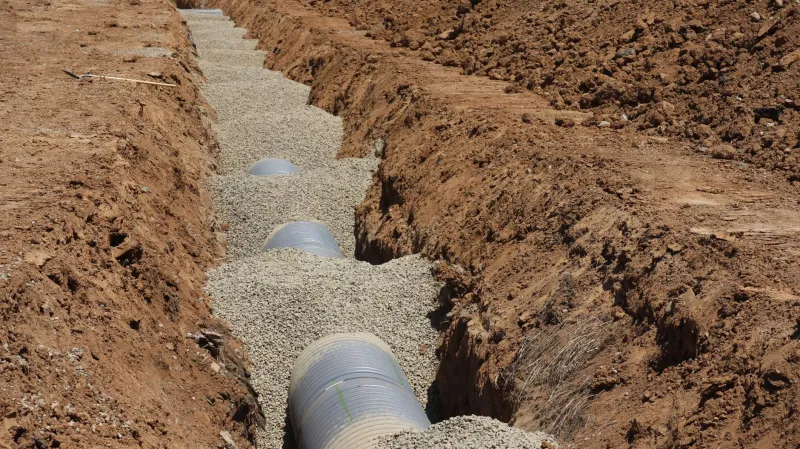
The cost of septic system replacement varies considerably based on system type, property characteristics, and regional labor markets. A conventional gravity-fed system on a property with suitable soil conditions and adequate space typically costs between $10,000 and $20,000 installed. Properties with poor soil permeability, high water tables, or limited space may require alternative systems that carry higher price points.
Mound systems, which elevate the drain field above native soil to achieve adequate treatment, generally range from $15,000 to $30,000. Aerobic treatment units (ATUs), which introduce oxygen to accelerate bacterial breakdown of waste, fall in a similar range but involve ongoing maintenance costs associated with their mechanical components. Drip irrigation systems and constructed wetland systems represent additional alternatives for challenging sites, each with their own cost and maintenance profiles.
It is worth noting that several states and counties offer low-interest loan programs or grant assistance for septic system replacement, particularly in areas where aging systems present documented risks to surface water or groundwater quality. Homeowners in rural areas served by USDA programs may qualify for additional financial assistance. Consulting with a licensed septic professional who is familiar with local regulatory programs can reveal options that are not widely advertised.
Emerging Technologies Worth Considering
The septic industry has seen meaningful technological advancement over the past decade, and replacement need not mean replicating the system that failed. Advanced secondary treatment units now achieve effluent quality standards that were previously attainable only through municipal treatment processes. For properties near sensitive water bodies or in jurisdictions with strict nutrient discharge regulations, these systems may be required—but they also offer the benefit of smaller drain field footprints, which can be advantageous on constrained lots.
Smart monitoring systems, which provide real-time alerts regarding pump function, tank levels, and system performance, are increasingly available as add-ons to both new and existing installations. For homeowners who have previously experienced failures due to delayed detection of problems, these systems offer a meaningful layer of protection.
The Role of a Professional Assessment
No article, however thorough, substitutes for a professional evaluation of the specific system in question. The repair-versus-replace decision should be grounded in a current inspection that includes tank pumping, structural assessment, drain field evaluation, and a review of the system's design relative to current household demand. Homeowners are well-served by obtaining assessments from more than one licensed provider before committing to a course of action, particularly when replacement is being recommended.
At AccuAA Septic, our approach to these evaluations is grounded in transparency. Our assessments provide homeowners with the factual basis for their decisions rather than a predetermined conclusion. A clear conscience, in our view, applies not only to the environmental performance of the systems we service, but to the integrity of the guidance we provide.
The decision between repair and replacement is rarely simple, but it need not be opaque. With accurate information and professional evaluation, homeowners can navigate this crossroads with confidence—protecting both their investment and the environment that surrounds it.