What Goes Down the Drain Every Morning Is Slowly Compromising Your Septic System
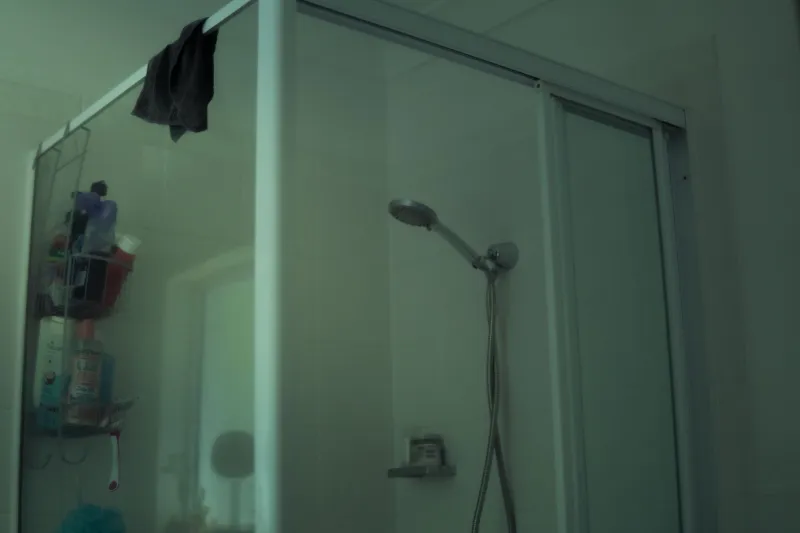
For most American homeowners, the morning shower is an unremarkable ritual. Shampoo, conditioner, body wash, shaving cream—these products are rinsed away and promptly forgotten. What follows them into your plumbing, however, does not disappear. It travels directly into your septic tank, where it encounters a living ecosystem of anaerobic bacteria responsible for breaking down everything your household sends underground. What many homeowners never consider is that their personal care products are, in many cases, quietly hostile to that ecosystem.
This is not a call to abandon hygiene. It is an invitation to understand what your septic system is actually receiving each morning—and why that knowledge matters for the long-term health of a system that, when neglected, can cost tens of thousands of dollars to repair or replace.
The Septic Tank Is a Living System, Not a Storage Container
Before examining what damages it, it helps to understand what a healthy septic tank actually does. The tank serves as the first stage of a two-part treatment process. Inside, naturally occurring anaerobic bacteria break down organic solids into liquid effluent, which then flows into the drain field for further filtration through the soil. This bacterial colony is not supplemental—it is the mechanism. Without a thriving population of these microorganisms, solids accumulate faster than they can be processed, leading to premature tank filling, drain field saturation, and eventual system failure.
Everything that enters the tank either supports, ignores, or actively harms that bacterial population. Most personal care products, it turns out, fall into the third category.
Soap: The Compound That Builds Up Silently
Traditional bar soaps are formulated with fats and alkalis—compounds that, in moderate quantities, a healthy septic system can process. The problem is volume and chemistry. Modern liquid body washes and shampoos rely heavily on synthetic surfactants, the cleansing agents responsible for lathering and emulsifying oils. Common examples include sodium lauryl sulfate (SLS) and sodium laureth sulfate (SLES), both of which are effective at cutting through grease on skin but are also documented disruptors of microbial populations.
When these surfactants reach your septic tank in daily quantities, they do not simply dilute harmlessly. They reduce the surface tension of the liquid environment inside the tank, which interferes with the way bacterial colonies form and function. Over time, consistent exposure suppresses bacterial activity, slowing the breakdown of solids and allowing the scum layer—the floating mat of fats and oils at the top of the tank—to thicken at an accelerated rate.
The result is a tank that requires more frequent pumping than it otherwise would, and a drain field that receives effluent less thoroughly treated than it should be.
Antibacterial Products: Doing Exactly What the Label Promises—In the Wrong Place
Americans have long favored antibacterial soaps and body washes, particularly following periods of heightened public health awareness. These products contain active agents—triclosan and triclocarban are among the most common—specifically designed to kill microorganisms on contact. That function is precisely why they are problematic in a septic context.
Your septic tank does not distinguish between harmful bacteria on your skin and the beneficial bacteria performing essential biological work inside the tank. Antibacterial compounds introduced through the drain act indiscriminately. Even in concentrations that seem negligible at the point of use, cumulative daily exposure creates a chronically stressed bacterial environment. Studies examining household septic systems with regular antibacterial product use have found measurably reduced microbial diversity and activity compared to systems in households using conventional soaps.
The straightforward recommendation: reserve antibacterial products for situations where they are genuinely warranted, and choose conventional soap formulations for routine daily use.
Hair: A Physical Problem With Chemical Consequences
Hair loss during showering is normal and unavoidable. The average person sheds between 50 and 100 strands daily, and a meaningful portion of that exits through the shower drain. Hair itself is composed primarily of keratin, a protein that resists microbial decomposition far more stubbornly than most organic materials. Inside the septic tank, hair does not break down efficiently. It accumulates in the tank's baffle systems, tangles around inlet pipes, and contributes to blockages that impede the flow of effluent.
Beyond the physical obstruction, hair acts as a binding agent for other materials—grease, soap residue, and particulate matter—creating dense mats that compound the problem. A simple and highly effective countermeasure is the installation of a quality drain hair catcher in every shower. This inexpensive device, available at any hardware retailer, can significantly reduce the volume of hair entering your septic system and is one of the most cost-effective protective habits a homeowner can adopt.
Conditioners, Oils, and the Grease Problem
Leave-in conditioners, hair oils, and moisturizing body washes introduce a category of compounds that behave much like cooking grease in a septic tank. Silicones—found in the majority of commercial conditioners—are particularly resistant to biological breakdown. They accumulate in the scum layer and, unlike animal fats that bacteria can eventually process, synthetic silicones persist essentially indefinitely within the tank environment.
Body oils and oil-based moisturizers present a similar challenge. Applied to wet skin and rinsed in the shower, these products emulsify in the drain water and travel intact into the septic system. The cumulative effect of daily oil and silicone introduction is a thickening scum layer that, over months and years, reduces the effective liquid volume of the tank and forces more frequent professional pumping intervals.
Homeowners who use significant quantities of these products may wish to discuss adjusted pumping schedules with their septic service provider.
Practical Adjustments That Protect Your System
None of the above requires dramatic lifestyle changes. The following measures are accessible, affordable, and collectively effective:
Choose septic-safe personal care products. A growing number of manufacturers now label products as septic-safe, indicating formulations that avoid the most aggressive surfactants and synthetic compounds. When in doubt, products with shorter, more recognizable ingredient lists tend to be less chemically complex and easier for your system to process.
Limit antibacterial product use to necessity. Standard soap and water is sufficient for routine hygiene. Reserve antibacterial formulations for genuine need rather than daily default use.
Install drain hair catchers. This is a small investment with a measurable impact. Clean them regularly to maintain effectiveness.
Moderate the use of heavy conditioning products. If silicone-based conditioners are part of your routine, consider applying them less frequently or rinsing more thoroughly to reduce the volume entering the drain.
Maintain your pumping schedule. No behavioral adjustment eliminates the need for regular professional tank pumping. Households with multiple occupants or heavy personal care product use may benefit from pumping on the shorter end of the recommended three-to-five-year interval.
The Broader Principle
Your septic system was engineered with a specific biological process in mind. Every product that enters it either supports that process or works against it. The morning shower, repeated daily across every member of your household, represents one of the highest-volume inputs your system receives. Treating that input with the same thoughtfulness you would apply to what you flush is not excessive caution—it is sound stewardship of a system that protects both your property and the groundwater your neighbors and community may depend on.
At AccuAA Septic, we believe that informed homeowners make better decisions—not just for their systems, but for the environment those systems serve. If you have questions about your system's current condition or appropriate maintenance intervals, our team is available to provide professional guidance tailored to your specific situation.